
How a Rebar Cutting Machine Works: A Practical Guide for Construction Projects
A rebar cutting machine cuts steel reinforcement bars to the length that is needed quickly and precisely. This machine is built for construction contractors, steel fabricators, and anyone who works with reinforcement bars and needs to make cuts. It is meant for people who do not want to use hand-cutting methods. Using this machine saves time and effort when compared to using hand tools. It gives consistent cuts every single time. Workers can adjust the length settings with ease. The machine is built to last. It can handle tough materials and heavy use. It fits perfectly on job sites where speed and accuracy are most important.
Rebar is used in reinforced concrete structures such as columns, beams, slabs, foundations, bridges, and retaining walls. Cutting it manually takes more time and can produce uneven results. A mechanical rebar cutting machine uses a powerful drive system and hardened cutting blades to make clean cuts with less physical effort.
What Is a Rebar Cutting Machine?
A rebar cutting machine is construction equipment made specifically for cutting steel reinforcement bars. Depending on the machine model, it can handle different bar diameters and may use an electric motor, hydraulic system, or mechanical drive to generate cutting force.
The main purpose is simple: hold the rebar securely and apply enough force to separate it at the required point.
Unlike an angle grinder or a regular saw, a rebar cutter is made specifically for cutting reinforcement bars. It handles repeated cutting tasks well, making it ideal for jobs where workers have to cut bars to the same or different lengths.
How a Rebar Cutting Machine Works
The basic working process starts by putting the rebar into the cutting area. Then you hold it in place. Next, you turn on the machine. Finally, the cutting part of the machine cuts the bar apart.
Here is how the process works:
1. The operator positions the rebar
I set the steel bar on the machine’s working table. The steel bar is then moved closer to the cutting section. I check the needed length before placing the steel bar in position.
For work, a fixed measuring point or marking system can help workers produce steel bars of consistent length.
2. The rebar is held in position
The bar needs to remain stable while cutting. Depending on the machine design, the working area and supporting components keep the rebar correctly positioned.
Proper positioning prevents unnecessary movement and helps produce a cleaner cut.
3. The drive system generates cutting force
The engine of the machine provides energy to the cutting part. In systems that use hydraulics, fluid pressure creates the force needed to move the cutting edge. In designs that are mechanical, the engine’s power is sent through gears and other parts.
The objective is the same: generate sufficient force to cut through the steel bar without requiring the operator to apply manual force.
4. The cutting blade moves against the bar
The cutting mechanism brings the blade into contact with the rebar. The blade applies concentrated force to the steel until the bar separates.
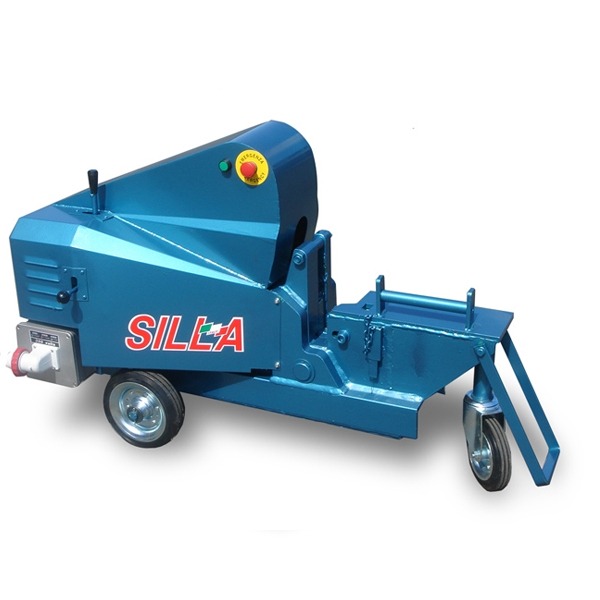
A good-quality cutting system is designed to reduce excessive impact and unnecessary wear. For example, the Steel Cutting Machine S26 from ENS Trading uses a hydraulic system designed to provide high cutting power while reducing hard impact and wear. Its hardened steel blades have multiple cutting edges that can be changed when required.
5. The cut bar is removed
After the cut is done, the person in charge takes away the part that was cut and gets the rest of the bar ready for the next cut. This process can happen again and again during the work of getting the reinforcement ready. The result is more even bar sizes compared to cutting by hand.
Main Components of a Rebar Cutting Machine
The machine’s performance depends on several key components working together.
Electric motor:
This part gives the energy required to run the cutting tool. Without it, the cutting tool would not work. This component is very important. It makes sure the cutting tool can do its job. The power source is essential. It keeps everything moving. The cutting tool needs this power to function properly. Without the power, there is no cutting. The system depends on this part. It is the heart of the operation. The power is what makes it all happen.
Cutting blade:
Applies force directly to the rebar. The quality of the blade affects cutting performance, the service life, and the maintenance requirements.
Drive or hydraulic system:
Transfers the motor’s power to the cutting mechanism.
Working table:
The tool supports the rebar while it is being cut and offers a working area for the rebar.
Control system:
It lets the operator start the machine, stop the machine, and control the machine safely.
Frame: Supports the machine and absorbs the forces produced during cutting.
Regular inspection of these components helps maintain cutting accuracy and reduces unexpected downtime.
Why Use a Rebar Cutting Machine?
A rebar cutting machine solves one of the common problems in reinforcement work: preparing large quantities of steel bars efficiently.
It reduces the physical effort required from workers and makes repetitive cutting faster. It also provides more consistent results when the same cutting process is repeated throughout a project.
For contractors, the main advantages include:
- Faster rebar preparation keeps the job moving
- Consistent cutting results cut down on mistakes.
- Lower manual effort
- Better productivity on large projects
- Suitable for repeated cutting operations
- Easier preparation of reinforcement according to drawings
The correct machine must always be selected according to the required rebar diameter, the required cutting volume, the required power supply, the required working environment, and the required project requirements. This helps keep the job safe and efficient.
How Rebar Cutting Machine Works for Industrial Projects
For industrial projects, the machine is normally used as part of a larger reinforcement preparation process. Rebar may first be measured according to structural drawings, then cut into specific lengths before being bent and assembled.
How a rebar cutting machine works for industrial projects depends largely on the production requirements. A small construction job may only need occasional cutting, while infrastructure projects can require continuous preparation of large quantities of reinforcement steel.
For higher-volume work, contractors should consider cutting capacity, machine durability, blade availability, operator safety, maintenance requirements, and the availability of replacement parts.
Using a dedicated cutting machine also helps separate cutting and bending operations. This allows workers to prepare straight bars first and then move them to a suitable bending machine when different shapes or angles are required.
Rebar Cutting vs. Rebar Bending
Rebar cutting and bending are two separate operations, although both are part of reinforcement preparation.
A rebar cutting machine reduces a long steel bar to a specified length. A rebar bending machine changes the shape or angle of the bar without cutting it.
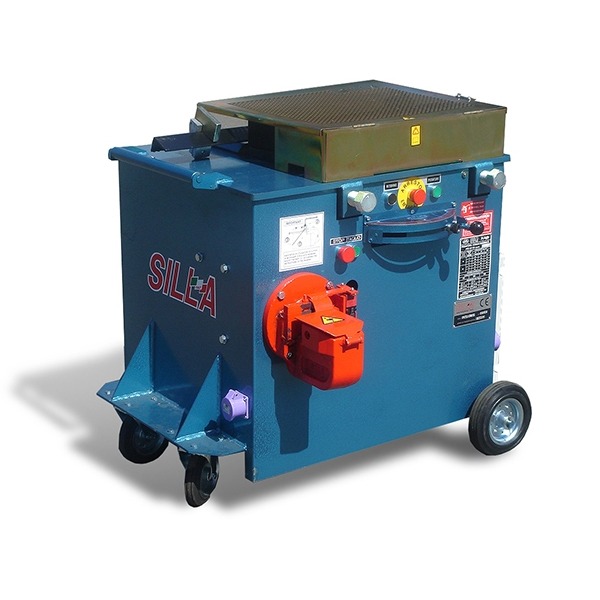
Some machines combine both functions. The PTC 32-30 from ENS Trading, for example, incorporates separate cutting and bending units with independent motors and switches. The machine is designed to cut and bend the same diameter range.
A machine that combines functions can be useful when a project needs two tasks done, but there is not much room to work, or when you want to cut down on moving equipment around. Using a combined machine can make things easier in these situations. It helps save space. Makes the process quicker. This kind of machine is practical when you have to do things but don’t have the space for separate machines. It also reduces the effort needed to handle pieces of equipment. The combined machine is practical when a project requires both operations but has limited working space or needs to reduce equipment handling.
How to Use a 3 Pin Rebar Bender
A 3-pin rebar bender is used to form reinforcement bars around pins or bending points. How to use a 3-pin rebar bender: It depends on the machine design, but the basic process is straightforward, and it remains simple across different machine designs.
First, I check the machine’s rated bar capacity. Choose the pins and rollers that match that capacity. I then place the rebar against the bending points. Set the angle that I need. I secure the bar so the bar cannot shift or move unexpectedly.
Start the bending operation while keeping hands clear of the rotating or moving components. Stop the machine after reaching the required angle, then remove the formed bar.
Operators should follow the manufacturer’s instructions because bending capacity, pin arrangement, operating controls, and safety procedures vary between machines.
Safety Tips When Cutting Rebar
Rebar cutting uses a lot of mechanical power, so being safe while operating is very important. Anyone working with the machine should wear eye protection and foot protection. They need to make sure their hands are not near the area where the cutting happens. The machine has to be set up on a surface. It needs to be checked before it is used.
Do not exceed the manufacturer’s rated bar diameter. Damaged blades, loose components, exposed electrical wiring, or unusual machine noise should be addressed before continuing operation.
Workers should also avoid standing directly in line with unsupported sections of rebar because steel can move when cutting force is released.
4 Rebar Cutting Machine Tools to Buy in Saudi Arabia
ENS Trading offers several machines that can support rebar cutting and reinforcement preparation.
1. Bending and Cutting Combo Machine PTC 32-30
The Bending and Cutting Combo Machine PTC 32-30 combines cutting and bending functions in one machine. It uses separate units, motors, and switches for the two operations and is designed for 32/30 mm material. It is a useful option when contractors need both cutting and bending capability from one machine.
2. Steel Cutting Machine S26
The Steel Cutting Machine S26 is a tool made for cutting steel and rebar. It has a system that provides strong cutting power and also reduces heavy impact and damage. The machine has steel blades that are strong and have cutting edges that can be replaced. This makes it good for jobs that need to cut quickly.
3. Bending Machine PS32
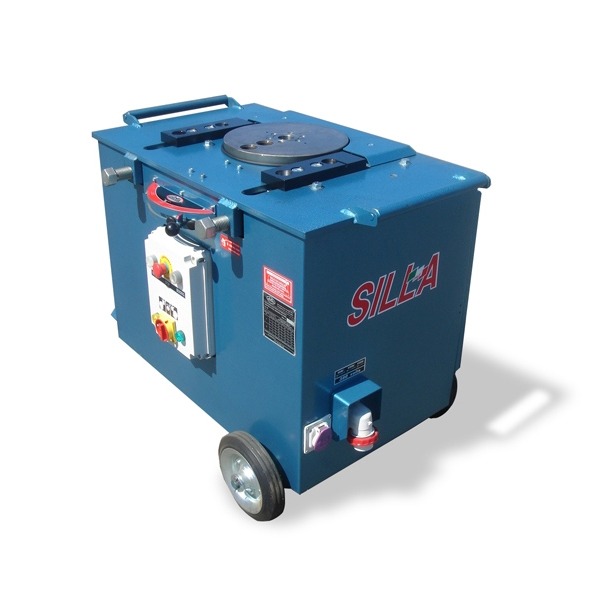
The Bending Machine PS32 is intended for reinforcement bar bending rather than cutting. It allows operators to preset two bending angles between 20 and 220 degrees and provides two bending speeds. A foot switch also allows the operator to keep both hands available while positioning the bar.
4. Steel Bending Machine PS55
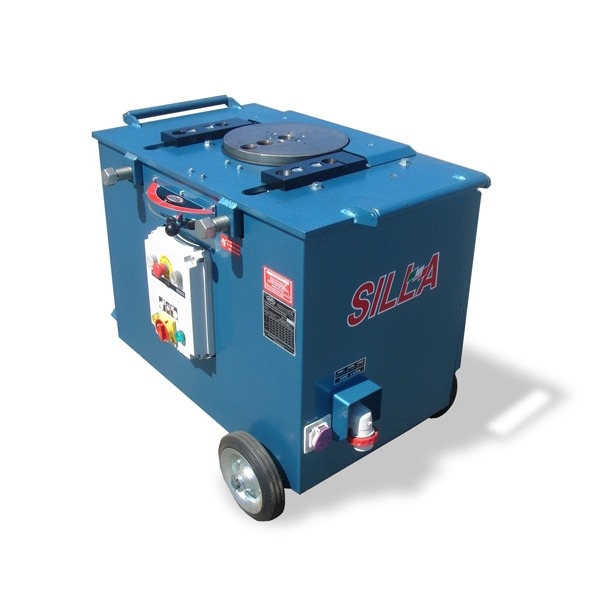
The Steel Bending Machine PS55 is a very handy option for reinforcement bending applications. This option supports preset bending angles from 20 to 220 degrees. This option offers two bending speeds. This option can handle rods when positioned between working benches.
FAQs
A rebar cutting machine helps cut steel reinforcement bars into lengths needed for concrete construction. It is often used in building projects, infrastructure work, foundation tasks, and when making reinforced structures. This machine makes the job faster and more accurate.
A hydraulic rebar cutting machine uses pressure to create the force needed to push the cutting mechanism through the steel bar. I notice that a hydraulic rebar cutting machine relies on a system that supplies a steady cutting force. A hydraulic rebar cutting machine is ideal for reinforcement cutting, delivering controlled cutting force with each pass.
Some machines can perform both operations. A combination machine has separate cutting and bending functions, while a dedicated rebar cutting machine is designed specifically for cutting. A separate bending machine is normally used when the project requires more extensive bar shaping.
